
Last Updated: March 2026
Spring in New Jersey brings warmer temperatures, longer days, and the return of outdoor activity—but it also signals the start of peak pest season. As the ground thaws and moisture levels rise, insects and rodents begin searching for food, water, and shelter, often leading them directly into homes.
While many homeowners address pest problems after they appear, the most effective approach is prevention. Taking proactive spring pest control steps early in the season can significantly reduce the risk of infestations and help maintain a clean, safe, and comfortable home environment.
This step-by-step spring pest prevention checklist for New Jersey homes has been updated for the 2026 season to reflect current pest activity patterns and prevention strategies. It is designed specifically for homeowners across Northern and Central New Jersey, including Bergen County, Morris County, Passaic County, Sussex County, Warren County, Essex County, Hunterdon County, Union County, Middlesex County, Monmouth County, Somerset County, and Mercer County.
By following this checklist, homeowners can prevent common spring pests in New Jersey before infestations begin.
Know Which Spring Pests Target New Jersey Homes
Before implementing prevention strategies, it’s important to understand which pests are most active during the spring months in New Jersey.
Common spring pests include:
- Ants, especially carpenter ants, target moisture-damaged wood. To explore more about why ants invade homes in the spring, click here.
- Termites, which begin swarming and forming new colonies
- Rodents, including mice and rats, are expanding their populations
- Wasps and hornets are starting new nests
- Ticks are emerging in yards and wooded areas
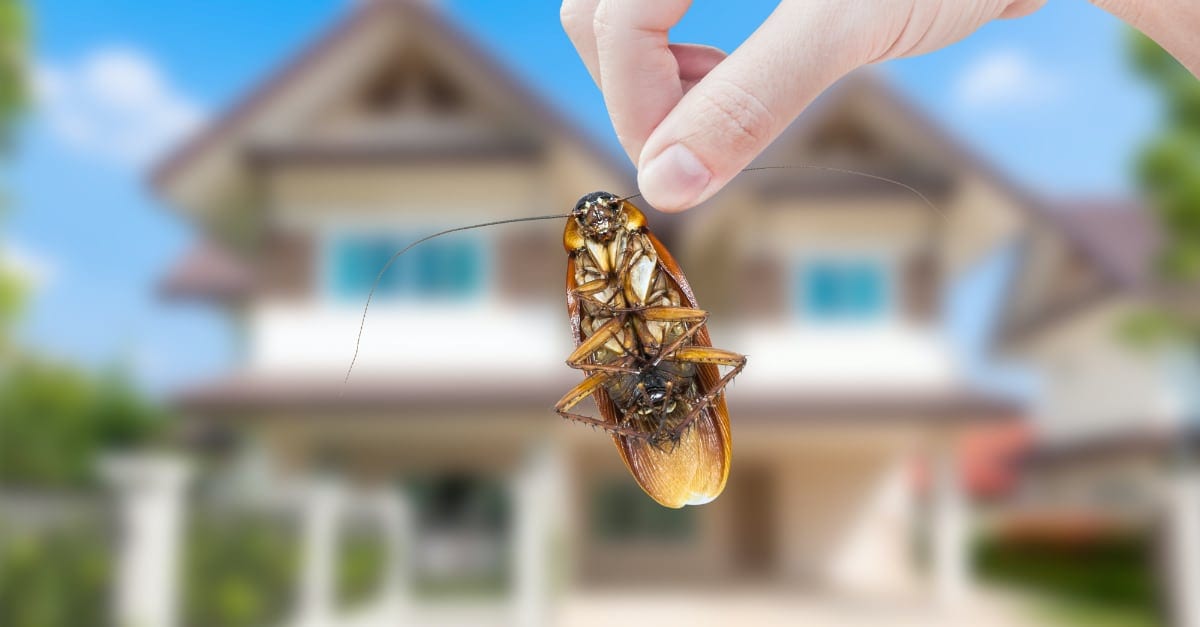
- Cockroaches are increasing their activity indoors due to warmth and moisture
Each of these pests behaves differently, but they all share one goal—finding reliable sources of food, water, and shelter.
For a deeper understanding of seasonal pest behavior, see our Homeowner’s Guide to Spring Pests in New Jersey
Understand Why Pests Enter Homes in Spring
Spring pest activity is driven by environmental changes and survival instincts. As temperatures rise, pests become more active and begin reproducing, which increases pressure on available resources.
In New Jersey, pests commonly enter homes in the spring because:
- Food sources become more abundant indoors
- Moisture from rain and snowmelt creates ideal nesting conditions
- Structural gaps form due to winter freeze-thaw cycles
- Landscaping and outdoor activity disturb natural habitats
Understanding these triggers allows homeowners to take targeted action before infestations begin.
Inspect Your Home Exterior After Winter
Winter weather can cause subtle but significant damage to your home’s exterior. These vulnerabilities often go unnoticed until pests take advantage of them.
Start your spring pest prevention checklist by inspecting:
- Foundation cracks and gaps
- Siding and trim for damage or separation
- Rooflines, soffits, and fascia boards
- Window and door seals
- Utility entry points
Even small openings—larger than 1/8 inch—can allow insects and rodents to enter. Sealing these gaps early is one of the most effective ways to prevent spring pest infestations in New Jersey homes.
Check Interior Risk Areas During Spring Cleaning
Spring cleaning is the perfect opportunity to identify early signs of pest activity inside your home. Many infestations begin in hidden or low-traffic areas.
Focus on:
- Basements and crawlspaces
- Attics and storage areas
- Behind appliances and under sinks
- Closets and seasonal storage items
Look for:
- Droppings or debris
- Moisture buildup
- Damaged materials
- Unusual odors
Catching early warning signs during spring can prevent a minor issue from becoming a larger infestation later in the season.
Seal Entry Points and Repair Damage
After identifying vulnerabilities, the next step is to secure your home.
Key actions include:
- Sealing cracks in foundations and walls
- Repairing damaged wood and siding
- Replacing worn weather stripping
- Installing door sweeps
- Securing vents and chimney openings
Homes throughout Northern New Jersey—especially in counties like Morris, Sussex, and Passaic—often experience expansion and contraction during winter, creating new entry points each year. Addressing these issues early is critical for long-term pest prevention.
Control Moisture and Improve Drainage
Moisture management plays a major role in preventing spring pest activity. Standing water, clogged gutters, poor drainage, and damp basements create ideal conditions for insects and rodents to thrive.
To reduce moisture-related pest risks, homeowners should clean and maintain gutters regularly, ensure downspouts direct water away from the foundation, repair leaks promptly, and eliminate standing water within 24–48 hours. Using dehumidifiers in basements and crawlspaces can also help reduce excess humidity that attracts pests.
Resources such as Rutgers Cooperative Extension emphasize the importance of proper drainage and moisture control in reducing pest activity and maintaining a healthier home environment. These preventative steps are especially important in New Jersey, where spring rainfall and humidity levels can significantly increase pest pressure.
Prepare Your Yard to Reduce Pest Activity
Your yard plays a major role in pest prevention. Overgrown landscaping and leftover debris from winter can provide shelter and breeding grounds for pests.
Spring yard maintenance should include:
- Removing leaves, branches, and organic debris
- Trimming shrubs and trees at least 12–18 inches away from the home
- Cutting back vegetation near siding and rooflines
- Keeping grass trimmed and well-maintained
- Avoiding mulch buildup directly against the foundation
These spring pest prevention NJ steps are especially important in wooded and suburban areas throughout Bergen County, Essex County, and Hunterdon County, where natural pest habitats are more prevalent.
Eliminate Food Sources Inside and Outside the Home
Pests are constantly searching for food, and even small amounts can attract them.
To limit access:
- Store food in airtight containers
- Clean up crumbs and spills promptly
- Secure trash bins with tight-fitting lids
- Avoid leaving pet food out overnight
- Monitor bird feeders and outdoor feeding areas
Reducing available food sources significantly lowers the chances of attracting ants, rodents, and other spring pests in New Jersey.
Reduce Clutter and Nesting Opportunities
Clutter creates ideal hiding and nesting areas for pests, both indoors and outdoors.
For the best spring pest prevention NJ tips, focus on:
- Decluttering basements, attics, and garages
- Organizing storage areas
- Removing unused items and debris
- Keeping firewood stored away from the home
Pests thrive in undisturbed environments, so maintaining clean, organized spaces helps eliminate potential nesting sites.
When to Call Professional Spring Pest Prevention NJ Pest Control
Even with the best spring pest prevention NJ efforts, some infestations require professional attention.
You should consider professional pest control if:
- Pests continue to return despite treatment
- You notice signs of structural damage
- Nests are hidden or difficult to access
- Health concerns arise due to pests
Professional spring pest prevention NJ pest control services provide targeted treatments, identify hidden infestations, and create long-term prevention plans tailored to your home.
Take a Proactive Approach to Spring Pest Prevention NJ
Spring is the most important time of year to prevent pest problems before they escalate. By following this comprehensive checklist, homeowners can reduce risk, protect their property, and avoid costly infestations later in the season.
For homeowners looking for complete protection, professional pest control services offer peace of mind and long-term solutions.
NJ Pest Control proudly serves homeowners across Northern and Central New Jersey, including Bergen County, Morris County, Passaic County, Sussex County, Warren County, Essex County, Union County, Hunterdon County, Middlesex County, Monmouth County, Somerset County, and Mercer County.
Contact NJ Pest Control today to schedule spring pest prevention NJ with a thorough inspection and protect your home from seasonal pest activity before it begins.
